
Over the past year, Tate + Co has hosted several roundtables exploring one of the most pressing challenges currently facing UK housing: how to unlock the potential of small sites.
Across sessions at UKREiiF and the London Real Estate Forum, we brought together developers, local authorities, housing associations, planners, contractors and funders to interrogate the barriers and opportunities. What has emerged is a clear consensus that small sites could make a big difference but only if we rethink how the system works.
As the UK Government targets 1.5 million new homes over the next five years, the opportunity hidden in plain sight is immense. In London alone, the 2017 Strategic Housing Land Availability Assessment (SHLAA) estimated that small sites could deliver up to 250,000 homes in a decade, nearly a third of the capital’s total target. These are the overlooked plots between buildings, derelict garages and unused corners of public land that could breathe life back into communities. Small sites support density, revitalise neighbourhoods and, with the right framework, can deliver homes faster than major masterplans.
Yet despite policy recognition – the NPPF now requires that 10% of housing allocations be on small sites – delivery remains limited. The reasons are structural, cultural and financial.
Why small doesn’t always mean simple
Small sites are often the hardest to deliver. The viability equation rarely works: high land and build costs are compounded by the need to meet the same regulations as large developments. Requirements such as Biodiversity Net Gain, play space provision and Section 106 contributions are vital in principle but disproportionately burdensome in practice. The result is that many small schemes never move beyond planning consent. This has taken a toll on smaller builders. In the 1980s, SME developers delivered 40% of UK homes; today that figure sits closer to 10%. The planning process is a key cause of this, as its complex, slow and inconsistent. A 10-home infill scheme can require the same documentation, timescales and fees as a 100-home site, while guidance often shifts mid-process, creating risk and uncertainty.The funding landscape is equally opaque. Lenders and investors increasingly favour scale, leaving smaller developers facing high borrowing costs and limited access to finance. Even when projects are approved, viability challenges and limited contractor capacity can stall construction.
Smarter, not separate rules
Across our roundtables, a clear message emerged: small sites need smarter, not separate rules. Rather than creating a ‘two-tier’ system, the planning process should empower experienced planners to apply nuanced judgement. Too often, smaller schemes are assessed by less experienced officers using a tick-box approach, when what’s really required is creativity and pragmatism.
Tools like Development Performance Agreements (DPAs) are able to expand upon traditional Planning Performance Agreements. These were highlighted in the discussions as a way to maintain constructive dialogue throughout the life of a project, ensuring schemes progress beyond planning to actual delivery. Consistency in requirements and clearer communication between developers and planning authorities would also reduce risk and improve confidence.
Sustainability was another recurring theme. Participants agreed that environmental ambitions should be maintained but with expectations scaled to the context. A small brownfield plot should not be held to identical reporting standards as a major masterplan. Tailored, outcome-based guidance would deliver better results with fewer barriers.
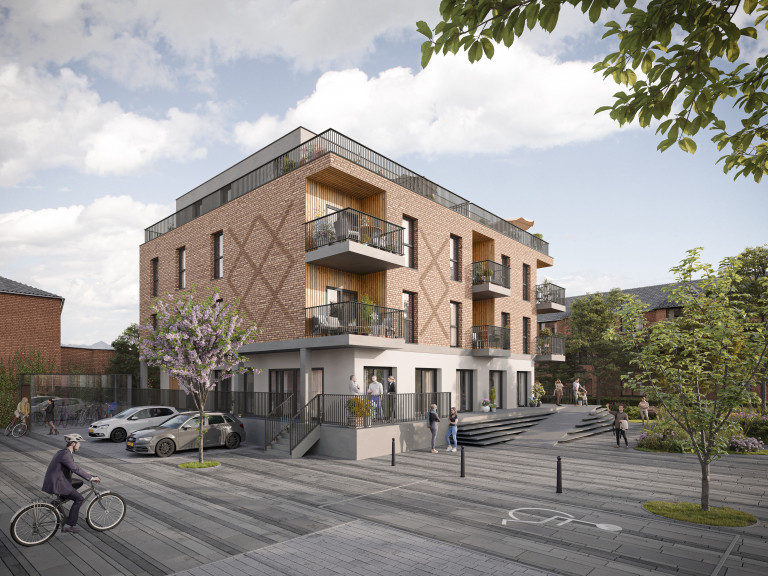
Image below: Lower Mills Estate


Knowledge, partnerships and trust
Another conclusion was the need to strengthen knowledge sharing across the sector. Many SME developers (and even planning departments) struggle to keep pace with rapidly evolving sustainability and regulatory requirements. Establishing regular cross-sector workshops and shared learning platforms could fill this gap, enabling planners, developers and funders to learn from each other’s experiences.
Local authorities were seen as crucial enablers. Many councils already hold large portfolios of small sites and could play a coordinating role by preparing site briefs, using DPAs, or assembling small clusters for development. However, this must be matched with adequate resourcing for both funding and experienced staff, if councils are to act as proactive delivery partners rather than gatekeepers.
Community-led and partnership models also hold promise, provided they are backed by professional expertise and financial stability. The most successful examples pair community ambition with development management support, ensuring that good intentions translate into completed homes.
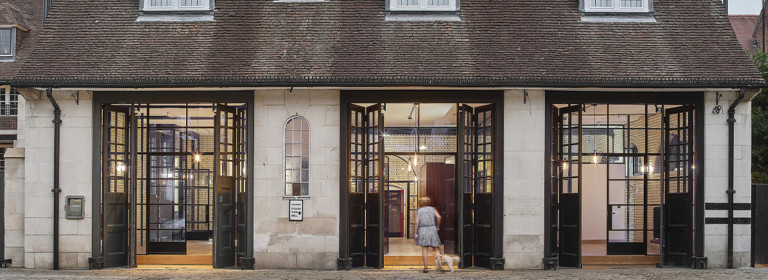
Image below: Knutsford Low-carbon Residential Development

Refocusing on value, not volume
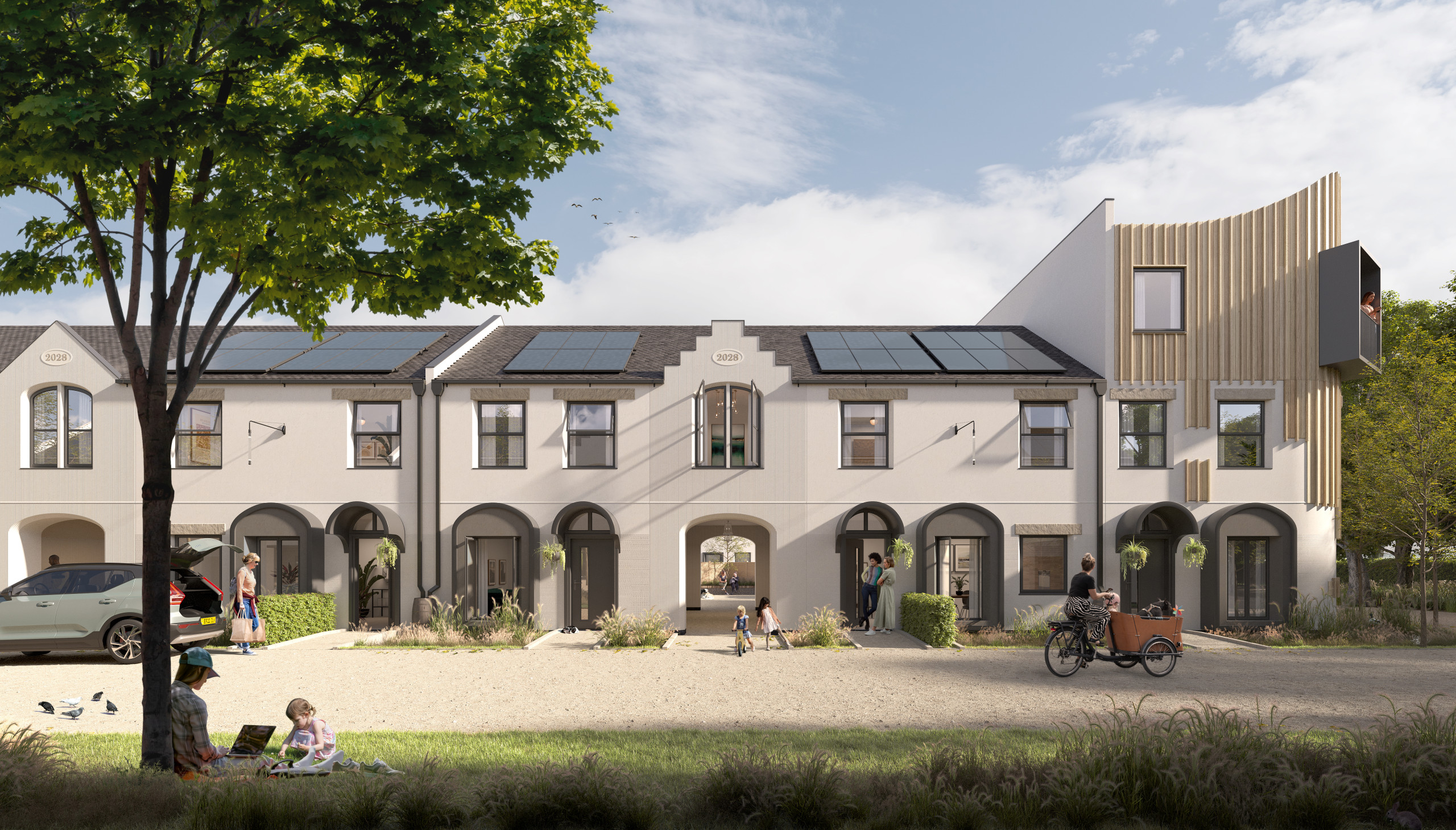
Perhaps the most profound conclusion was cultural. The system needs to shift from chasing volume and capital receipts to focusing on value, including social, environmental and design. Small sites can deliver beautifully considered, low-carbon homes that strengthen local character and enable new tenure models such as community partnerships or income-based rent.
This requires rethinking viability and risk. Forward-selling, collaborative funding mechanisms and potentially even a government-backed SME development fund could provide the financial certainty small builders need. Above all, it demands collaboration from planners, politicians, developers, designers and communities working together within a shared framework that rewards quality and delivery, not just permissions on paper.
Small sites won’t solve the housing crisis alone, but they could be a major part of the solution. With a smarter planning system, better knowledge sharing and a focus on genuine value, we can turn thousands of underused plots into thriving homes, proving that small can be mighty.
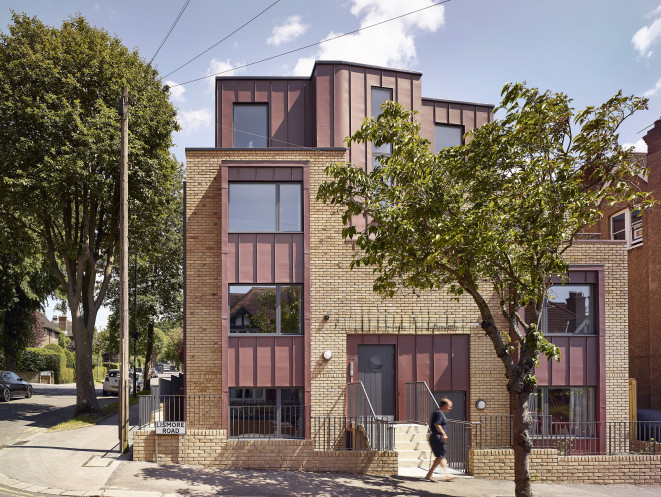
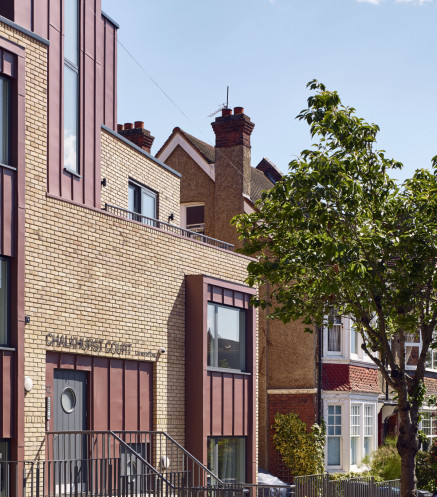
Image below: Chalkhurst Court