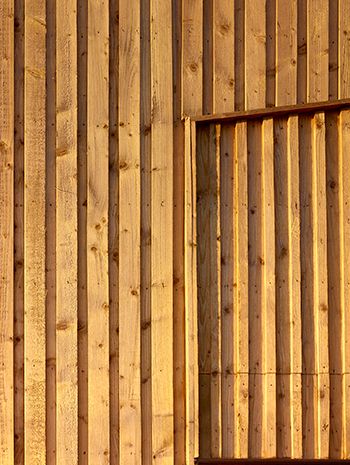

At Tate + Co, we work with a number of independent hotel operators and, as you might expect, each is seeking to create a very special guest experience. Their hotels are often based in particularly beautiful locations; country houses set in historic grounds or maybe low impact buildings set in unique and sensitive landscape settings. The success of this type of hotel is mainly about the magic of hospitality but we have noticed that there are metrics that, if correctly applied, can create an operation large enough to deliver a full guest offering along with the economies of scale of operation, yet intimate enough to preserve character and exclusivity. What follows is a summary of metrics based on our experience.
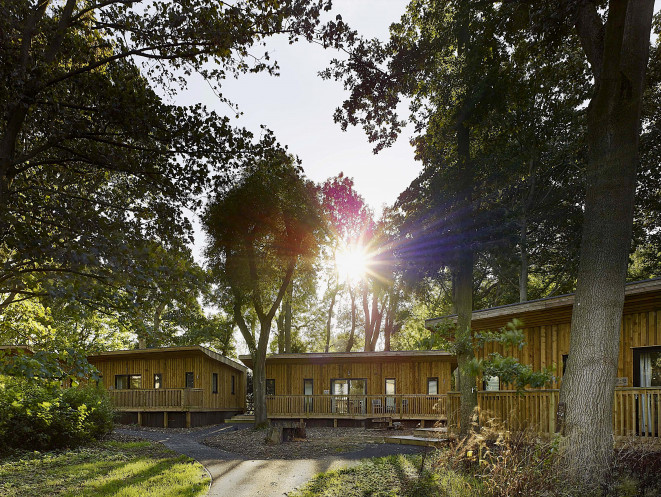
Image below: Callow Hall. Photography by Kilian O’Sullivan.

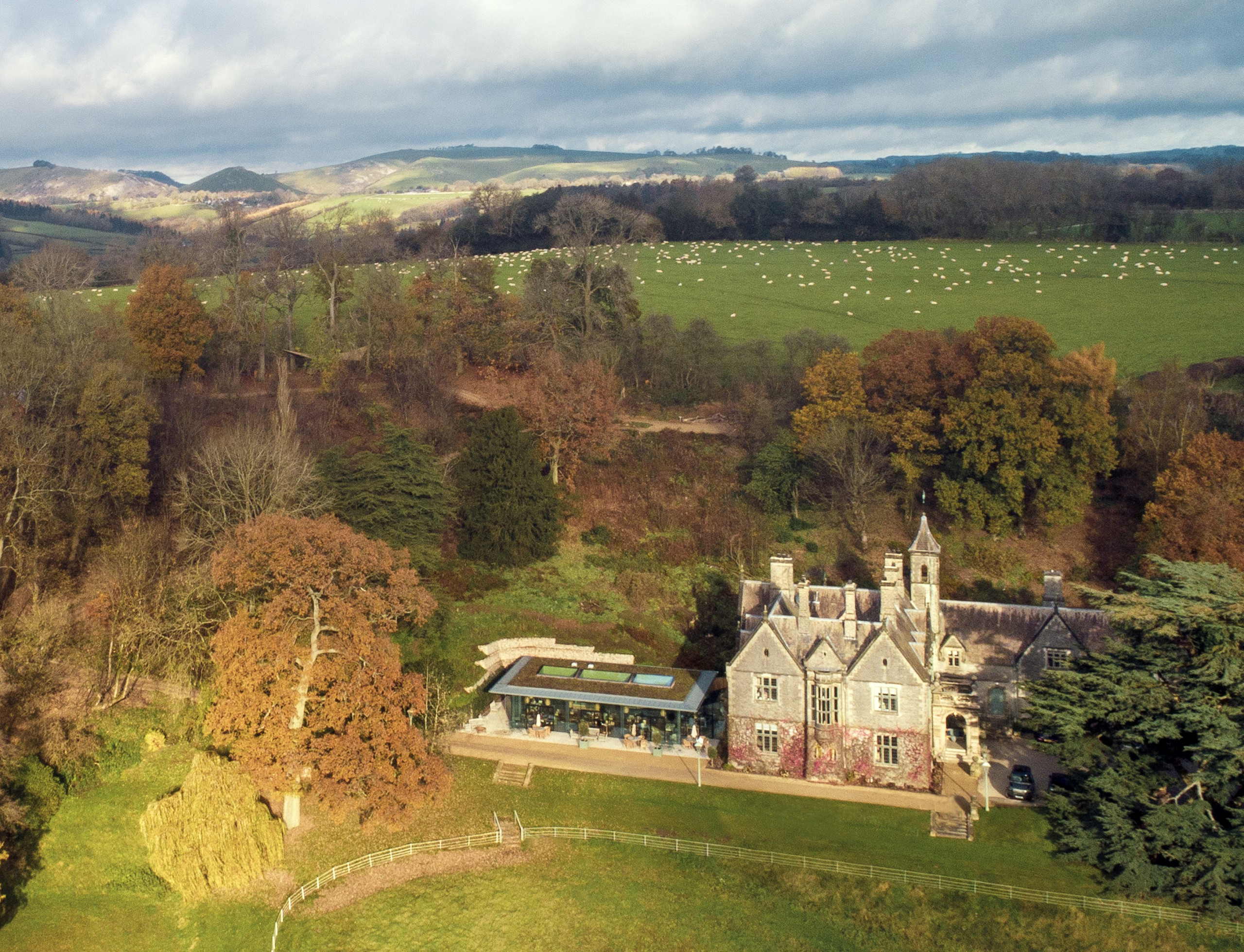
How many keys? – A viable size for a rural destination hotel is typically 25-50 keys. Below 20 rooms, staffing and energy costs tend to erode margins; and quite often above 50 rooms intimacy and local distinctiveness can be diluted. Over recent years, as staff and other overhead costs have increased, we have noticed that more hoteliers are maintaining 50 keys minimum to ensure profitably. The trick at this scale is to ensure a broad range of different types of rooms to keep that intimate vibe which brings me on to the next point.
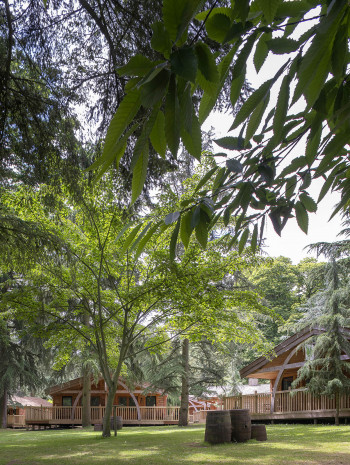
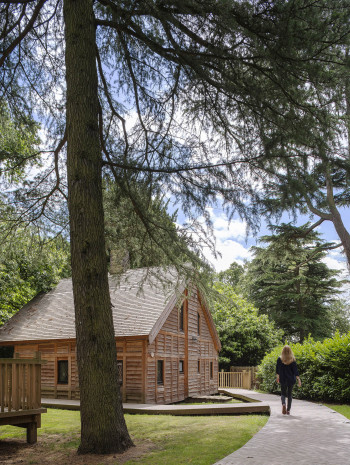
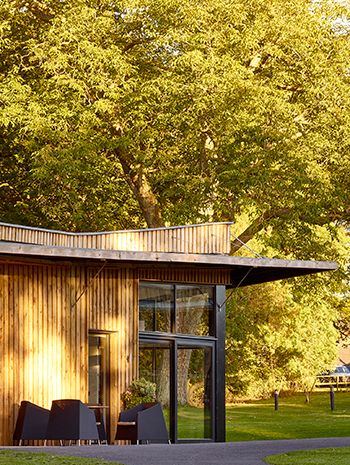
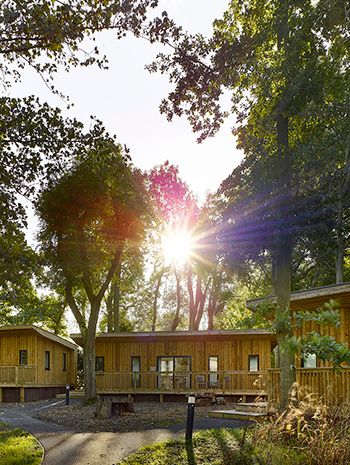
What size rooms? – Generally, bedrooms should average 28-35m2 gross internal area, with as much as possible usable space for things such as seating and relaxing. However, we often find that there can be a much wider range of room sizes in heritage buildings, giving opportunities for small characterful rooms or grander luxury suites. If you need more keys (given the above point) then as well a potentially more modern extension, it can be a great idea to create lodge accommodation which can bring a whole new dimension to your hotel and can help visitors really connect with a natural setting.
Images below: Warwick Castle Hotel. Photography by Kilian O’Sullivan.

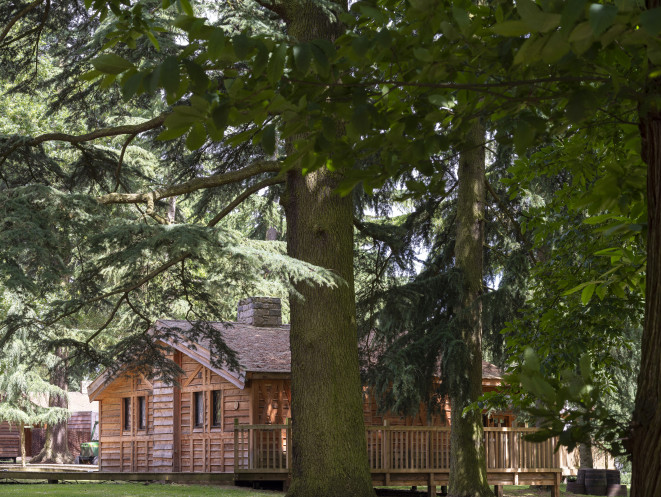

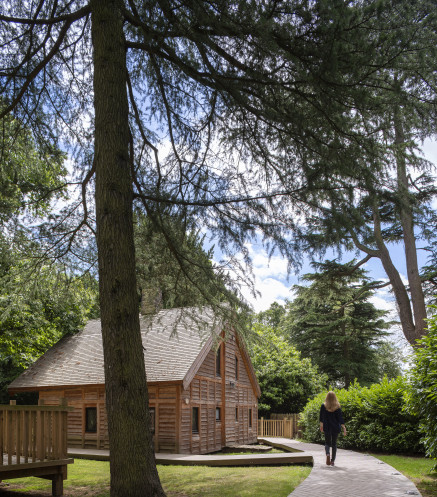
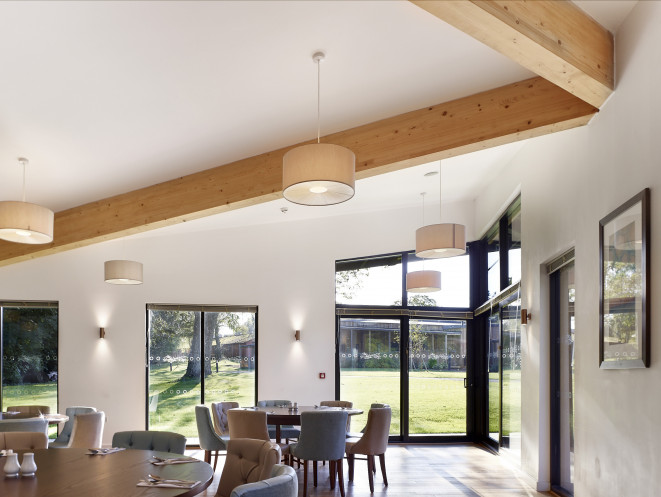
How much Food & Beverage? – Even though hoteliers traditionally believe that ‘F&B is for show, rooms are for dough’, your food and drink offer is critical to identity and can still add to the profit if executed correctly. A restaurant with 60-80 covers can serve in-house guests, attract locals (as a ‘bonus’) and cope with the busy breakfast rush. Ideally you should also have 20-30 bar/lounge covers to give you a bit of flexibility. The F&B areas should connect visually to the landscape or a kitchen garden to reinforce the provenance of the food and immerse guests in nature as part of the experience.
Images below: Callow Hall. Photography by Kilian O’Sullivan.

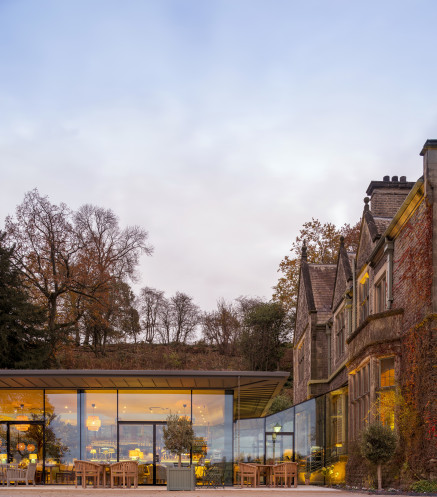

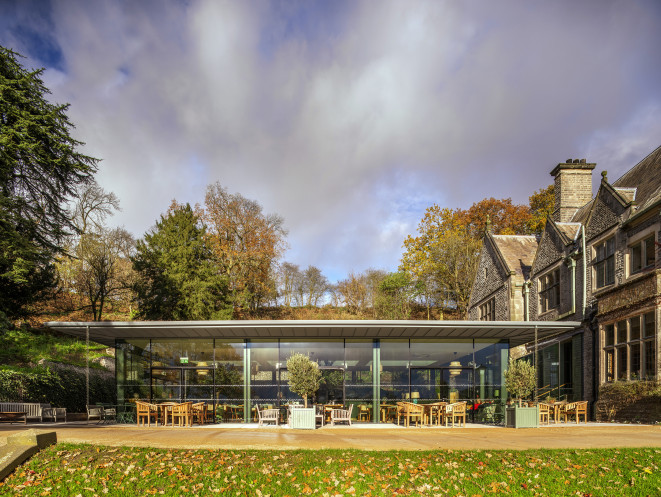

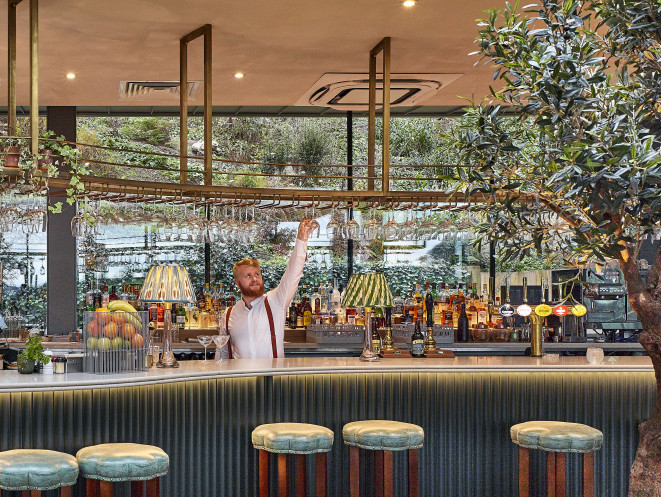

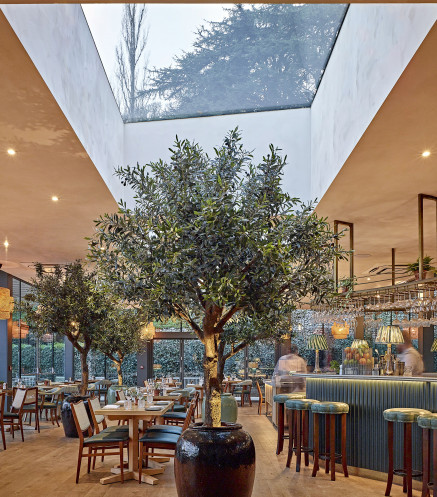
Should I have wellness spaces? – These can be key for guest dwell time and secondary spend and are quite space efficient at this scale of operation, at around 150-250m2. Quite often you can rent out treatment rooms to local specialists which adds a really interesting flavour to your wellness offer.
Should I have a function room? – Honestly, there is split opinion amongst our clients on this. Some think that events disrupt the guest experience, whereas others really enjoy hosting larger numbers of people and find them a useful income stream. If you are creating a function room, then it needs to have the ability to seat a ‘standard’ UK wedding which is around 120 people seated or 180m2 GIA. You should also ensure that there are sufficient AV facilities for a conference during the day and include a ‘foldable’ dividing wall so you can split the space if required. Ideally the function room should have separate access to the outside, and if possible, not disrupt the day-to-day operations of the hotel.
How much Back of House (BOH) do I need? – BOH areas typically occupy 25-30% of total GIA, including kitchens, laundry, staff facilities and plant room. Inevitably, BOH areas fill the ‘non-premium’ areas of a hotel but, if possible, they should include efficient circulation and easily accessible servicing to reduce energy and staff overheads.
How much parking do I need? – We would normally recommend around 1.2-1.5 spaces per key to ensure flexibility and a bit of extra provision for outside guests or events. Nearly all hotels have seasonal variable occupancy which means it is better to have 50-60% set out as hard-standing, and an over-spill area made from a softer surfacing such as ‘Grasscrete’.
Images below: Hothorpe Hall. Photography by Kilian O’Sullivan.


This summary is, obviously, just a rough guide based on our experience at Tate + Co and every hotel should have areas specifically tailored to meet the particular vision and desired guest experience. However, these points will hopefully provide some bench-marking metrics for you to consider; we find they can be useful talking points when framing a project brief.
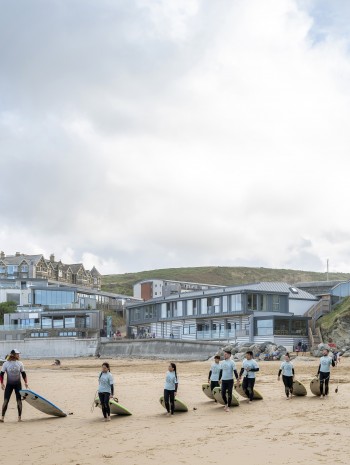
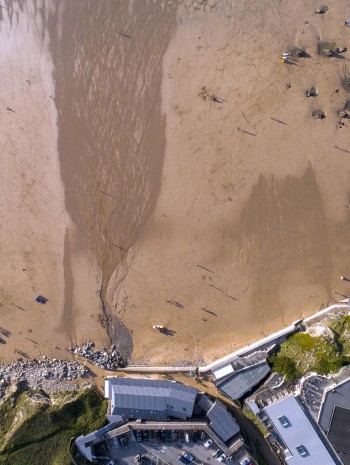
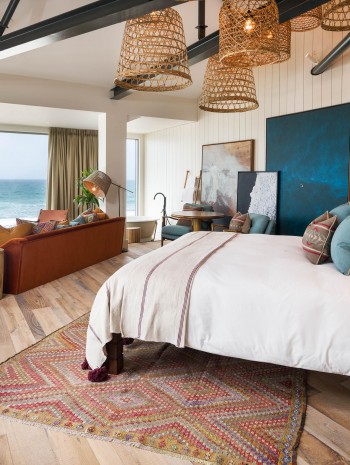
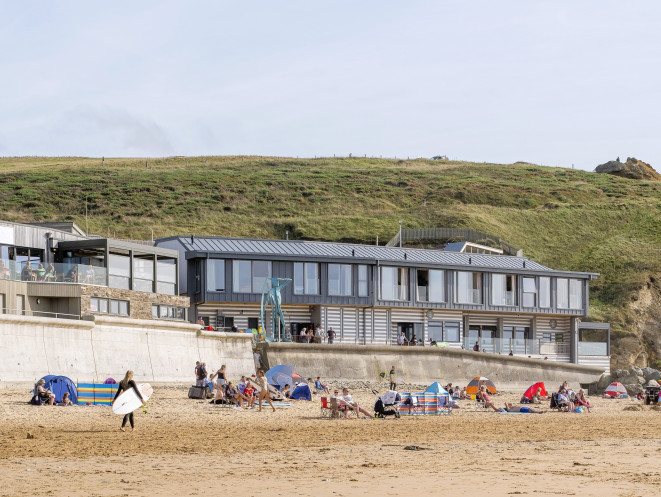
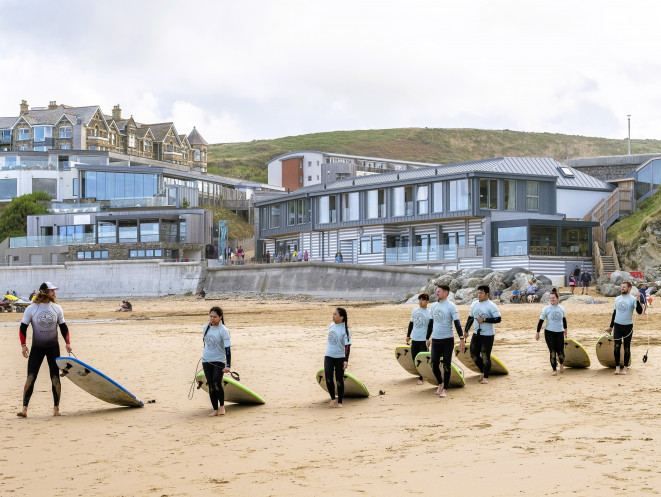
Images below: Watergate Bay Hotel. Photography by Kilian O’Sullivan.


Header image: Seckford Hall Hotel.


Nikita Schweizer
Architectural Designer
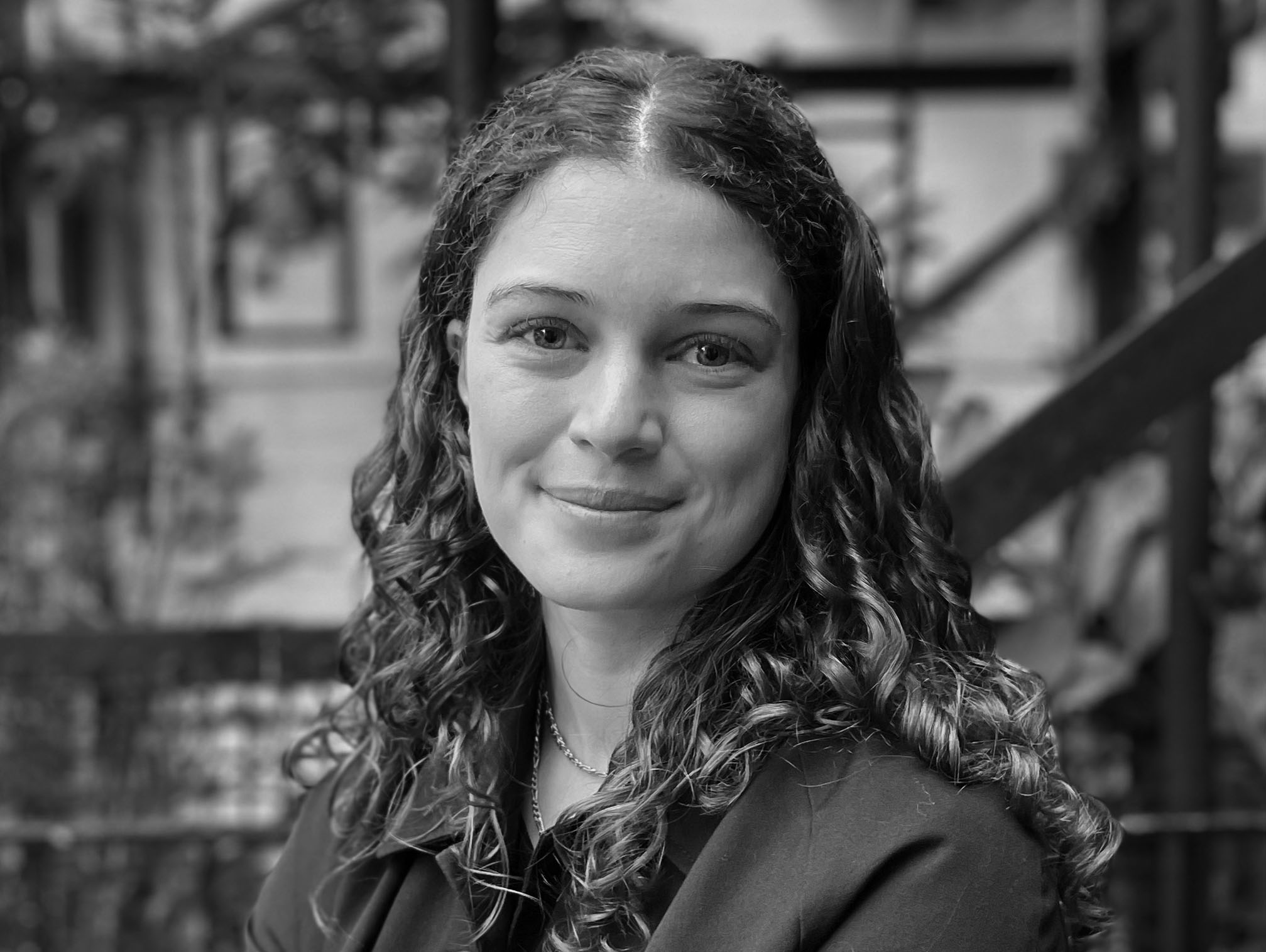
Nikita joined the team in 2022 as an Architectural Assistant. She is currently working towards qualifying as an architect, and has recently completed her Part III at the University of Westminster with distinction.
Nikita completed her undergraduate at the University of Cape Town with distinction, and thereafter worked at Noero Architects (SA) and Haworth Tompkins (UK). She lived in Germany for two years while studying an M.Sc. Masters in Architecture (Typology) at the Technische Universität Berlin.
She has a keen interest in cultural buildings and housing. Her thesis, titled Gender-based Housing (GBH), aimed to tackle gender-based violence through the realm of architecture.
Nikita has received a number of awards, such as the Des Baker Architectural Student Design Competition (first runner up), and performance-based scholarships such as the Boogertman + Partners Architectural Design Scholarship Award Africa.
Her work has been exhibited in Germany, Namibia, and South Africa, and she has been included in publications such as Designing the Survival Lounge (Part of the FRAU ARCHITEKT exhibition) and Co-designing The City: Architecture + Informal Intelligence.
She enjoys all things to do with making. In the office it’s models; outside it’s drawings, sewing, leather work and more.